
By Swift Exterminators
Wings alone do not identify the concern
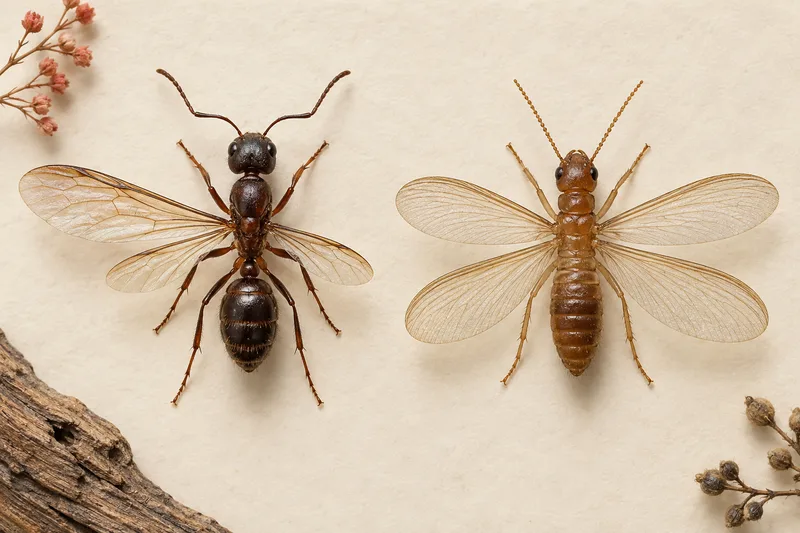
Ants and termite swarmers can look similar at first glance. EPA guidance describes differences in antennae, waist shape and wing proportions. If the insect was only briefly visible, keep your identification tentative rather than choosing a treatment from memory.
Record where and when they appeared
Note whether the insects were inside, at a window, near woodwork or outdoors. Mention discarded wings and visible changes around the location, if any. Keep any existing photograph; there is no need to disturb structural material to produce more evidence.
Separate an insect report from a damage assessment
Seeing a swarmer does not measure hidden wood damage. Likewise, a damaged timber does not identify what caused it. Ask which accessible areas can be inspected and how any findings or limitations will be explained before discussing a treatment scope.
Read the proposal for the work actually offered
Confirm inspection coverage, preparation, treatment areas and any follow-up or monitoring. Repairs and warranties should be stated if included. Avoid treating a general pest-control quote as an automatic commitment to structural repairs.